Tel & WhatsApp: +86 183 6753 3018
E-posta: service@lidimachinery.com

Tel & WhatsApp: +86 183 6753 3018
E-posta: service@lidimachinery.com

 TarafındanLIDI Makine
Soğuk rulo şekillendirme (CRF) teknolojisi, üreticilerin karmaşık metal şekilleri olağanüstü verimlilik ve doğrulukla oluşturmasını sağlar. Çok sayıda soğuk rulo şekillendirme makinesi projesini yönetmiş biri olarak, bu makinelerin süreçleri nasıl kolaylaştırdığına ve ürün kalitesini nasıl artırdığına ilk elden tanık oldum. Bu yazıda, soğuk rulo şekillendirme makinelerinin temel bileşenlerini, performanslarını artıran geliştirme tekniklerini ve etki yarattıkları çeşitli uygulamaları ele alacağım.
Soğuk rulo şekillendirme, metal levhaları oda sıcaklığında belirli profillere dönüştüren bir işlemdir (sıcak şekillendirmeye karşı). Bu yöntem, bir metal şeridin bir dizi silindirden geçerken sürekli olarak bükülmesine ve şekillendirilmesine olanak tanır. Örneğin, inşaatta yaygın olarak kullanılan bir çelik kanal üretimini düşünün.
Süreç, tipik olarak sarılmış ve bir sarıcıda depolanmış düz bir metal şerit ile başlar. Bu sarılmış sac çözülür ve bir dizi bükme işlemine tabi tutulduğu bir dizi makaraya beslenir. Sonuç, genellikle dar toleransları karşılayan boyutlara ulaşan, yüksek mukavemet ve hassasiyete sahip bitmiş bir üründür.
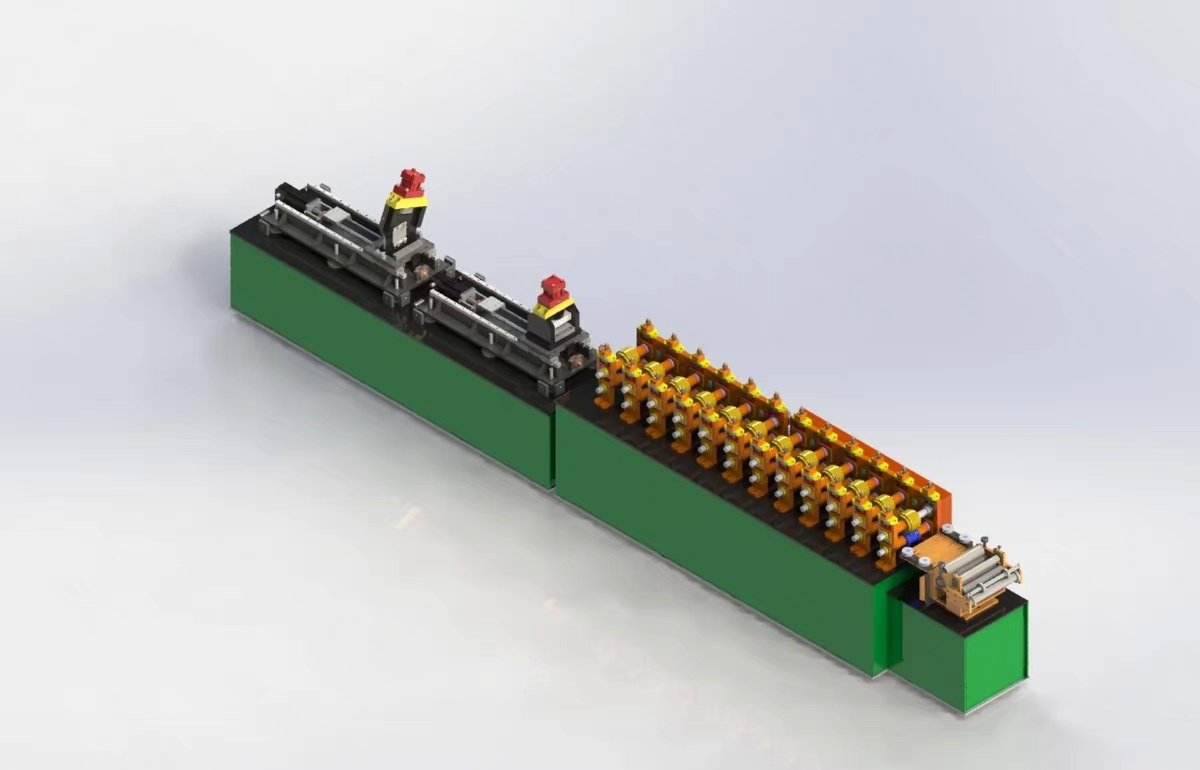
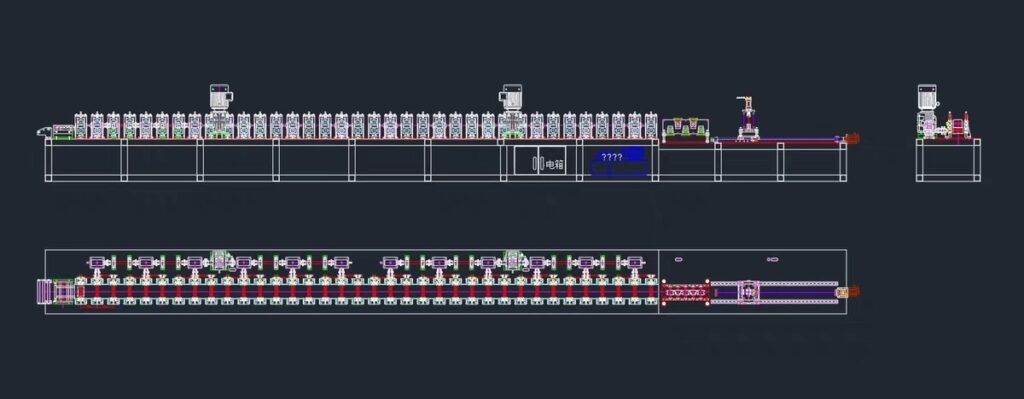
Soğuk rulo şekillendirme makinesi veya soğuk rulo şekillendirici, tek bir makineye atıfta bulunmaz, daha ziyade bir açıcı, bir dizi rulo şekillendirici ve bir son kesme makinesinden oluşan bir üretim hattıdır.
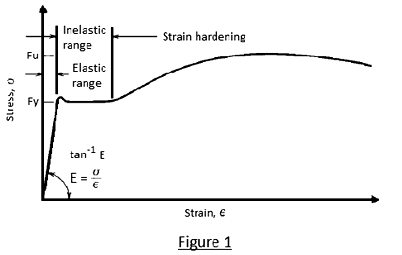
Soğuk haddelenmiş çelikler çekme testi altında belirli bir akma noktası gösterir. İlk aşama, gerilimin (σ) gerinim (ε) ile doğrusal olarak büyüdüğü doğrusal bir elastik aralıktır. Akma noktasından sonra, gerilme sabit kalırken gerinim sürekli artar, yani çelik aynı gerilme altında “akar”. Yaygın kullanım durumları, çeliğin geriliminin akma noktasını aşmasından kaçınmalıdır çünkü bu, çeliğin artık temel istasyonuna geri dönemeyeceği anlamına gelir.
Bir soğuk rulo şekillendirme makinesinin işlevselliği, çeşitli bileşenlerinin birlikte sorunsuz bir şekilde çalışmasında yatar. İşte bu kilit parçaların ayrıntılı bir dökümü ve genel iş akışına nasıl katkıda bulundukları:
Besleme sistemi, metal şeridi makineye taşıyarak işlemi başlatır. Tipik olarak bobin formundaki metal şerit çözülür ve malzemeyi çözen bir sarıcıya beslenir. Bu sargı çözme adımı, metalin şekillendirme makinesine düzgün ve sürekli bir şekilde akmasını sağladığı için çok önemlidir.
Kurulumlarımızda genellikle servo motorlarla donatılmış otomatik besleme sistemleri uyguluyoruz. Bu sistemler ilerleme hızını yüksek hassasiyetle kontrol edebilir. Örneğin, özel aşıklar üreten bir projede, otomatik besleme sistemi hızı kullanılan metalin kalınlığına ve türüne göre ayarlayarak üretim süreci boyunca tutarlılık sağlar. Servo motor kontrolü, her ikisini de senkronize tutmak için kesme makinesiyle otomatik olarak iletişim kurarak bir adım daha ileri gider.
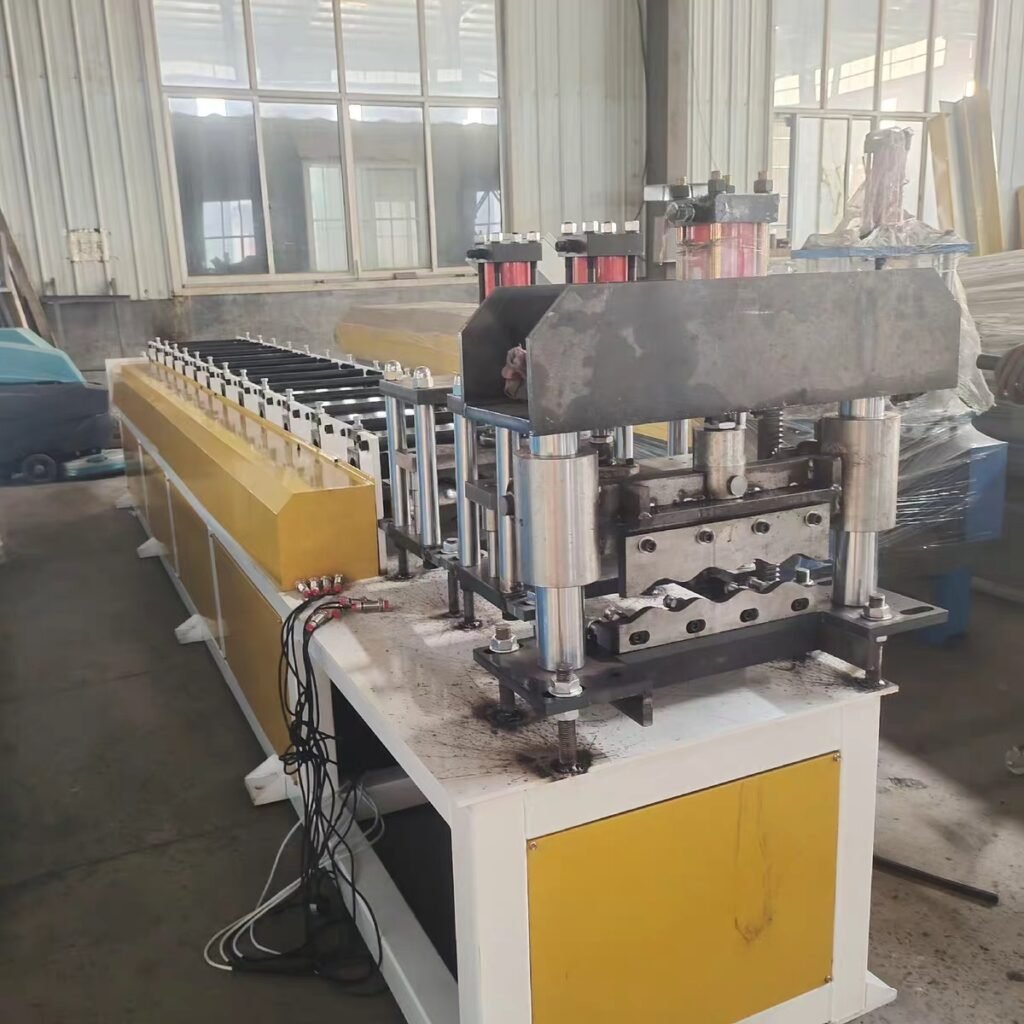
Metal şerit makineye beslendikten sonra rulo şekillendirme bölümüne girer. Makinenin bu kısmı, her biri metali kademeli olarak istenen profile şekillendirmek için tasarlanmış çok sayıda silindir istasyonundan oluşur.
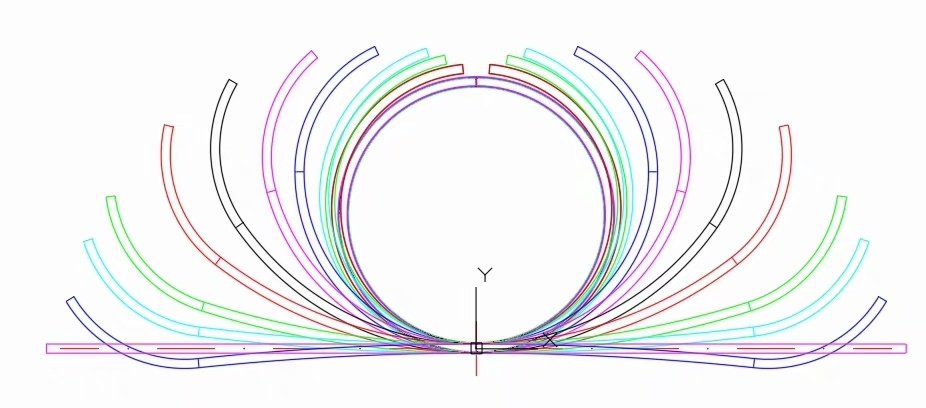
Örneğin, C/U aşık kanalları üretilirken şerit, her biri hassas açılarda belirli bir büküm uygulayan bir dizi silindirden geçer. Metal bu istasyonlardan geçerken, nihai boyutların karşılandığından emin olmak için her bir silindirin doğru şekilde hizalanması ve konumlandırılması çok önemlidir. Burada düz bir sacın adım adım nasıl dairesel bir şekle büküldüğünü gösteren bir görüntü yer almaktadır.
Şekillendirme tamamlandıktan sonra, malzeme nihai profiliyle bir sonraki aşamaya hazır hale gelir. Bu bölüm genellikle silindirler için sağlam malzemeler gerektirir ve aşınmayı azaltmaya ve zaman içinde doğruluğu korumaya yardımcı olan sertleştirilmiş takım çeliği silindirleri kullanarak büyük başarı elde ettik.
Rulo şekillendirme bölümünden sonra, şekillendirilmiş metal şerit kesme sistemine gider. Bu bölümde tipik olarak bir kesme bıçağının metali önceden belirlenmiş uzunluklarda dilimlediği kesme işlemi kullanılır.
Örneğin, otoyol korkulukları üretilirken, kesme sistemi, montajda mükemmel bir şekilde birbirine uymalarını sağlamak için tutarlı boyutta parçalar sunmalıdır. Makasla kesme işlemi, güvenlik uygulamaları için kritik olan temiz kenarlar ve yüksek hassasiyet sağlar.
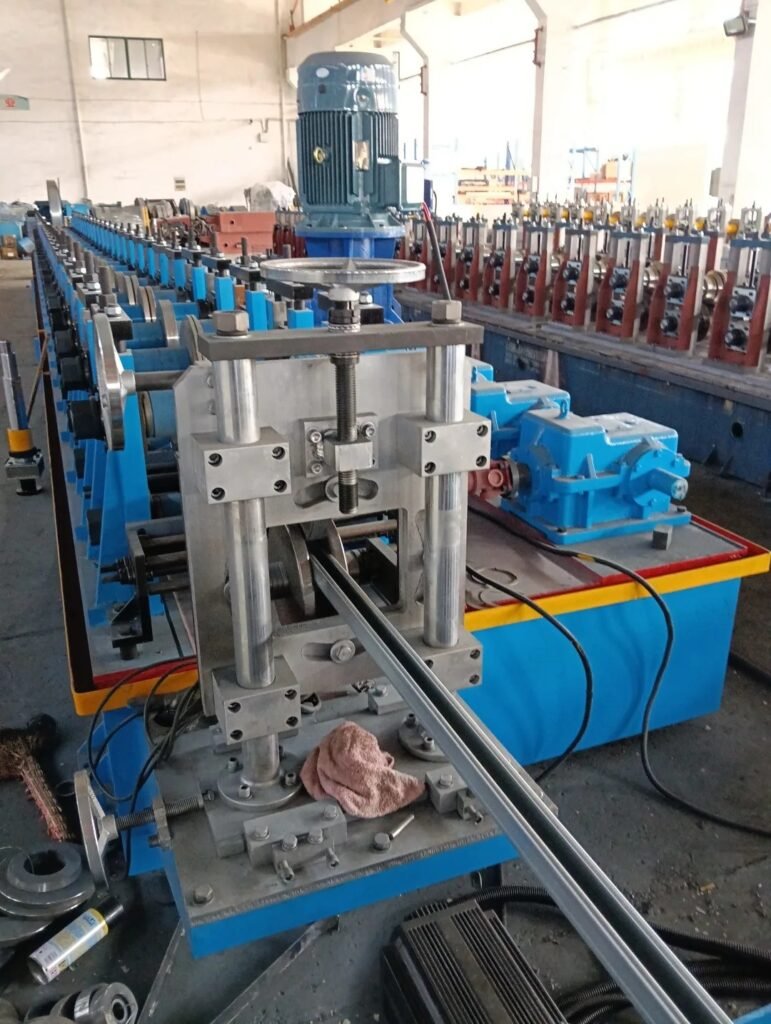
Kesme sistemine sensörlerin entegre edilmesi de önemli bir rol oynar; bu sensörler şekillendirilen ürünün uzunluğunu algılayabilir ve kesme mekanizmasını doğru anda tetikleyebilir. Bu otomasyon insan hatasını en aza indirir ve verimliliği en üst düzeye çıkarır.
Kontrol sistemi operasyonun beynidir. Genellikle Siemens veya Rockwell Automation gibi üreticilerin Programlanabilir Mantık Kontrolörlerini (PLC'ler) ve operatör etkileşimi için İnsan-Makine Arayüzlerini (HMI'ler) içerir.
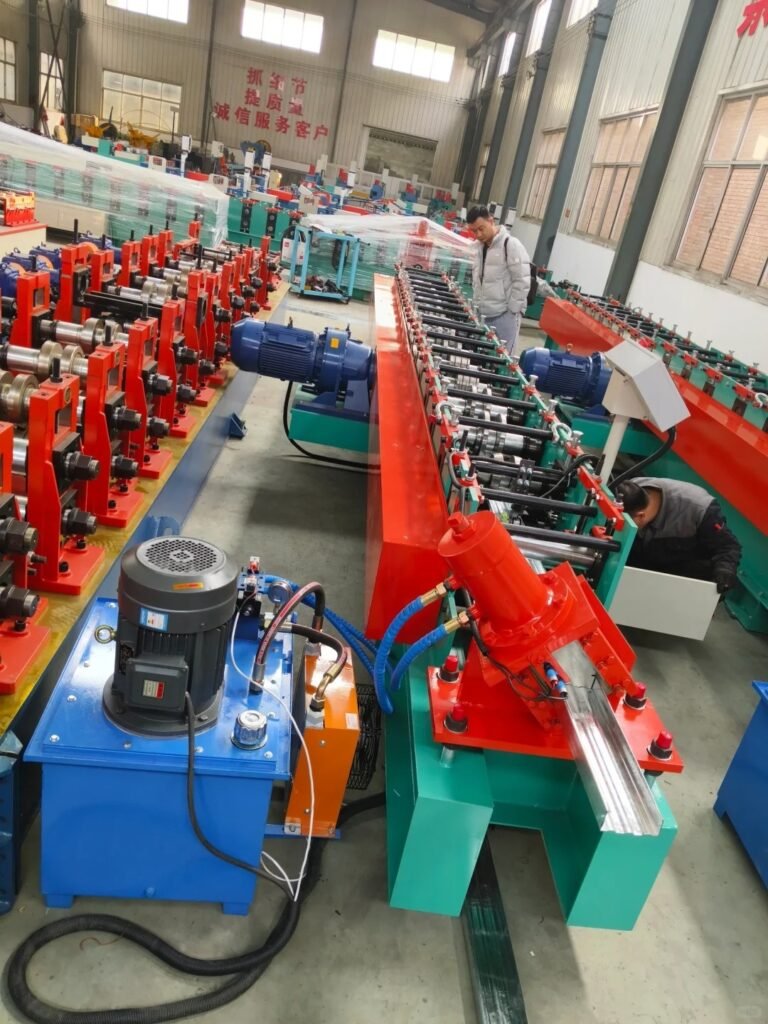
Kontrol sistemi, üretim hattındaki performansı izleyerek sensörlerden gelen gerçek zamanlı geri bildirimlere göre hız ve basınç gibi parametreleri otomatik olarak ayarlıyor. Bir projede, arıza süresine neden olmadan önce potansiyel operasyonel sorunlara karşı bizi uyaran bir kestirimci bakım özelliği uyguladık, bu da daha sorunsuz üretim çalışmaları ve daha mutlu müşteriler ile sonuçlandı. Ayrıca, yeni nesil soğuk rulo şekillendirme makinesi kontrol sistemimizde öngörücü bakım için Yapay Zeka Makine Öğrenimi araçlarını uygulamayı umuyoruz.
Üretimde kalite kontrolü çok önemlidir ve kalınlık ölçerler ve sensörler, şekillendirilen metalin belirli gereksinimleri karşılamasını sağlar. Bu cihazlar, makine boyunca ilerlerken şeridin kalınlığını sürekli olarak izler.
Örneğin, güneş paneli çerçevelemesini içeren bir projede, panellerin yapısal bütünlüğünü sağlamak için hassas kalınlığın korunması çok önemliydi. Gösterge, belirtilen boyutlardan bir sapma tespit ederse, operatörlerin besleme veya silindir ayarlarında hızlı ayarlamalar yapmasına olanak tanıyan bir uyarı tetikleyebilir.
BTW, genellikle makinelerimiz çeşitli sac kalınlıklarıyla çalışmak üzere manuel olarak ayarlanabilir. Örneğin, 1-3 mm saclar aynı soğuk rulo şekillendirme makinesi ile çalışacaktır. Bu, müşterilerimize farklı kalınlıklarda ürünler sunarak ürün SKU'larını genişletme konusunda daha fazla seçenek sunar.
Son olarak, metal şekillendirildikten ve kesildikten sonra çıkış bölümüne girer. Hattın bu bölümü bitmiş ürünlerin taşınması ve tasnif edilmesinden sorumludur.
Bu, manuel kalite kontrolleri ile birlikte manuel olarak yapılabilir. Ancak otomatik paketleme konusunda da yardımcı olabiliriz. Üretilen ürünleri istifleme veya paketleme için belirlenen alanlara otomatik olarak taşıyan konveyör sistemleri uygulayabiliyoruz. Bu otomasyon el işçiliğini azaltıyor ve operasyonun lojistiğini hızlandırıyor. Örneğin, bir HVAC üreticisi ile yakın zamanda yaptığımız çalışmada, kanal bileşenlerini hızlı bir şekilde ayıran ve paketleyen, yerine getirme sürecini hızlandıran ve müşteri memnuniyetini artıran bir sistem tasarladık.
Yeni bir soğuk rulo şekillendirme makinesi oluşturmak, ekipmanın genel performansını ve verimliliğini artıran birkaç gelişmiş teknik içerir. İşte bu tekniklere daha yakından bir bakış:
Tasarım aşaması SolidWorks veya AutoCAD gibi Bilgisayar Destekli Tasarım (CAD) yazılımlarıyla başlar. Bu araçlar, mühendislerin makine bileşenlerinin ayrıntılı planlarını oluşturmasına olanak tanıyarak ekip üyeleri arasında net iletişimi kolaylaştırır ve herkesin aynı sayfada olmasını sağlar.
Örneğin, yakın tarihli bir projede, rulo şekillendirme makinemizin 3D modelini oluşturmak için SolidWorks'ü kullandık ve herhangi bir fiziksel bileşen üretilmeden önce tasarımı görselleştirmemize ve yinelememize olanak tanıdı. Bu adım, bileşenler arasındaki etkileşimler gibi potansiyel sorunların geliştirme sürecinin başlarında tespit edilmesi açısından kritik önem taşıyor.
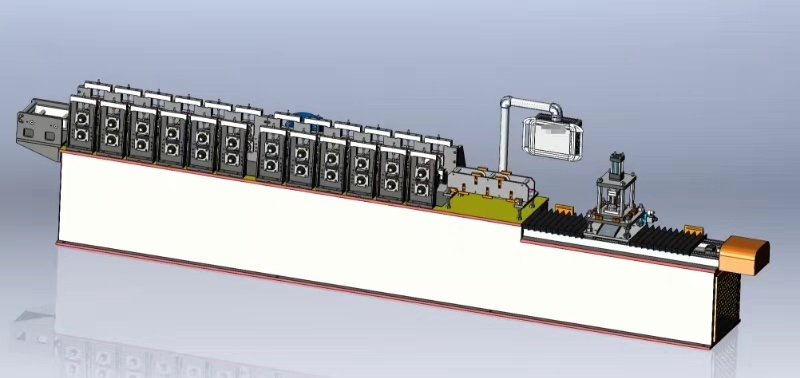
LIDI Makine'de, teslimatların bir parçası olarak soğuk rulo şekillendirme makineleri için kapsamlı bir 3D model sunacağız, böylece müşteriler üretim hatlarını üretilmeden önce görebilecekler. Kişisel deneyimlerime dayanarak, müşterilerimizin ürünü anlamalarına gerçekten yardımcı oluyor.
CAD çizimleri tamamlandıktan sonra ABAQUS ve COPRA gibi Bilgisayar Destekli Mühendislik (CAE) araçlarını kullanıyoruz. Bu araçlar, rulo şekillendirme sürecini simüle ederek malzemenin farklı koşullar altında nasıl davranacağını tahmin etmemize yardımcı oluyor.
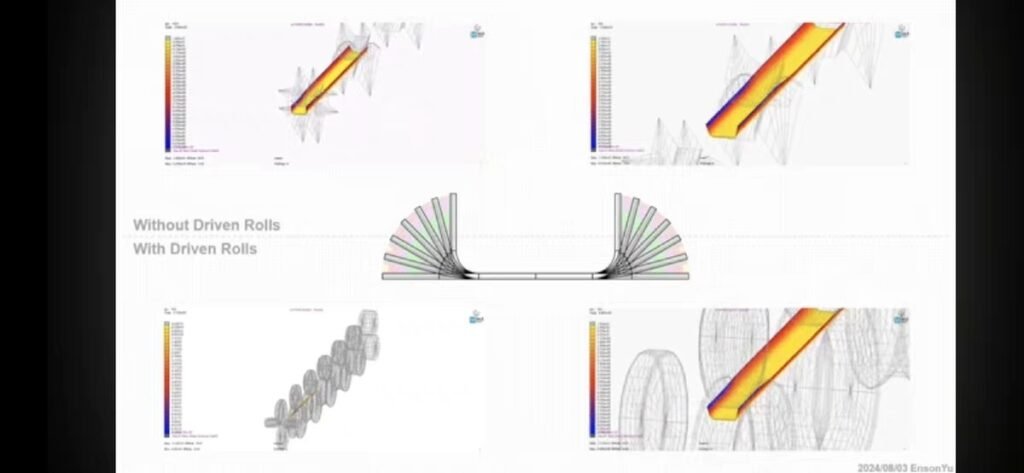
Projelerimizden birinde, CAE analizi sırasında, belirli bir silindir konfigürasyonunun aşırı aşınmaya yol açabileceğini keşfettik. Makineyi üretmeden önce tasarımı ayarlayarak olası bakım sorunlarını önledik ve uzun vadede hem zamandan hem de paradan tasarruf ettik.
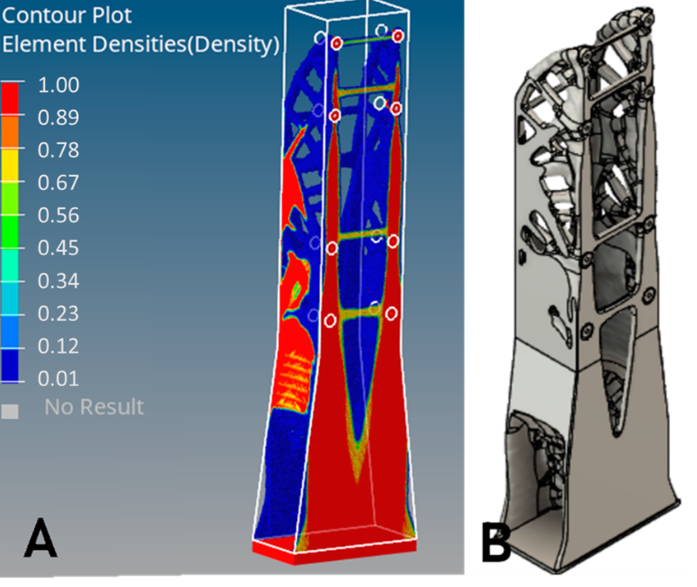
Topoloji optimizasyonu, malzeme kullanımını en aza indirirken makine bileşenlerinin yapısal performansını artırmak için kullanılan sofistike bir tekniktir. Bu amaçla genellikle OptiStruct gibi araçlar kullanırız.
Örneğin, yeni bir rulo şekillendirme makinesi için bir çerçeve tasarlarken, gerilim dağılımını analiz etmek ve malzeme düzenini optimize etmek için OptiStruct'ı kullandık. Bu sadece daha hafif bir makineyle sonuçlanmakla kalmadı, aynı zamanda rijitliğini de artırdı ve sonuçta mukavemetten ödün vermeden üretim verimliliğini artırdı.
Gelişmiş kontrol algoritmalarının geliştirilmesi, CRF makinelerinin optimize edilmesi için çok önemlidir. Genellikle makinenin sensör geri bildirimine göre otomatik olarak ayarlanmasını sağlayan uyarlanabilir kontrol teknikleri uyguluyoruz.
Yakın tarihli bir otomotiv projesinde, bu uyarlanabilir kontrol sistemi şekillendirme prosesine gerçek zamanlı olarak ince ayar yapmamızı sağlayarak boyutsal doğruluğu artırdı ve malzeme israfını azalttı. Malzeme özelliklerindeki değişikliklere dinamik olarak yanıt verebilme yeteneği, sektörümüzde oyunun kurallarını değiştiriyor.
Elektronik bileşenlerin entegrasyonu, modern soğuk haddeleme makineleri için çok önemlidir. Otomasyonu geliştirmek ve gerçek zamanlı izleme sağlamak için sensörleri, aktüatörleri ve IoT teknolojisini bir araya getiriyoruz.
Örneğin, metal braket üretimine yönelik bir projede, performans verilerini toplamak için IoT çözümlerini kullandık ve bu da trendleri belirlememize ve üretim programlarını optimize etmemize olanak sağladı. Bu yaklaşım yalnızca genel verimliliği artırmakla kalmadı, aynı zamanda gelecekteki projeler için de değerli içgörüler sağladı.
Sensör verileri yerel bilgisayarınızda depolanabilir ve daha sonra Makine Öğrenimi araçları kullanılarak kestirimci bakım için kullanılabilir. LIDI Machinery bu işlevi hala geliştirmektedir ve bunu en kısa sürede müşterilerimize sunmayı umuyoruz.
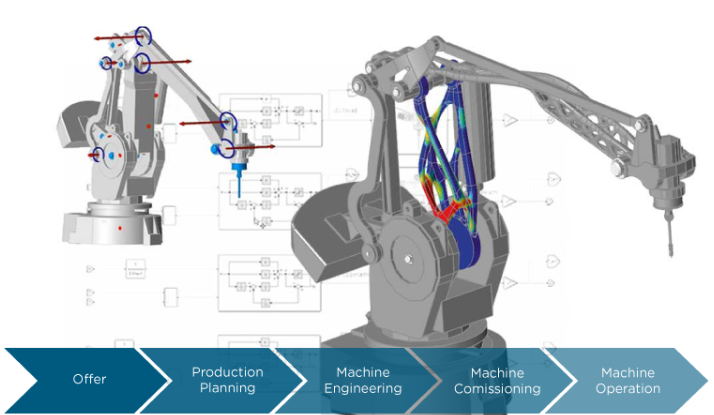
Yeni bir makine üretmeden önce kapsamlı simülasyon testleri gerçekleştiriyoruz. Makine performansını çeşitli koşullar altında doğrulamak için MATLAB ve diğer simülasyon araçları gibi yazılımlar kullanıyoruz.
Örneğin, yeni bir kesme sisteminin simülasyonunda, gerçek dünya koşullarında güvenilir bir şekilde çalışacağından emin olmak için farklı hızlar ve malzemeler altında çalışmasını test ettik. Bu kapsamlı test aşaması, üretim başlamadan önce bileşenlere ince ayar yapmamıza ve tasarımlarımızı doğrulamamıza olanak tanır. Talep etmeniz halinde Digital-Twin modelleri de geliştirebiliriz.
Doğru malzemelerin seçilmesi her projenin başarısı için çok önemlidir. Malzeme seçerken mukavemet, süneklik ve maliyet gibi faktörleri dikkatle değerlendiriyoruz.
Örneğin, güneş enerjisi yapılarını içeren projelerde, genellikle hafif kalırken dayanıklılık sağlayan yüksek mukavemetli alüminyum alaşımları tercih ediyoruz. Bu dikkatli seçim sadece performansı etkilemekle kalmaz, aynı zamanda malzeme ve nakliye maliyetlerinde de önemli tasarruflar sağlayabilir.
Soğuk rulo şekillendirme makineleri son derece çok yönlüdür ve çok sayıda sektörde uygulama alanı bulur. İşte bazı önemli sektörler ve yaygın olarak ürettikleri ürünler:
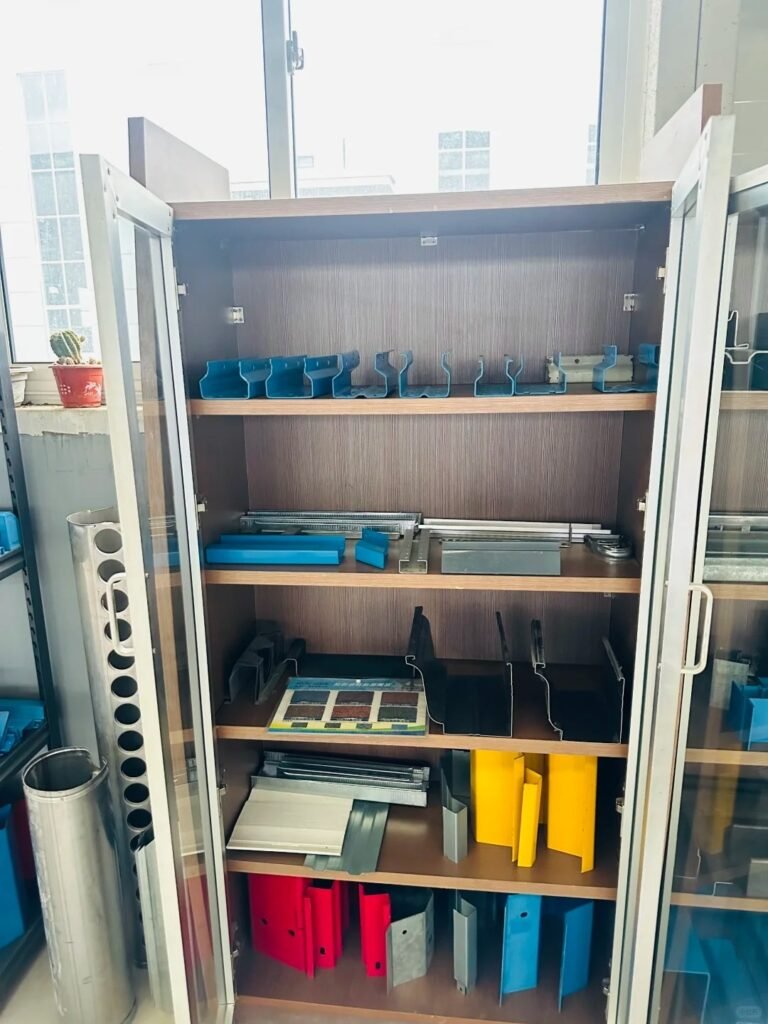
Şirketimizi ziyaret etmeye hoş geldiniz! Bize ulaşın İhtiyacınız olan çelik profili bize gönderin, biz de üzerinde çalışalım!
Lütfen karmaşık bir çelik profili (alüminyum değil!) gösteren YouTube videomuza göz atın